
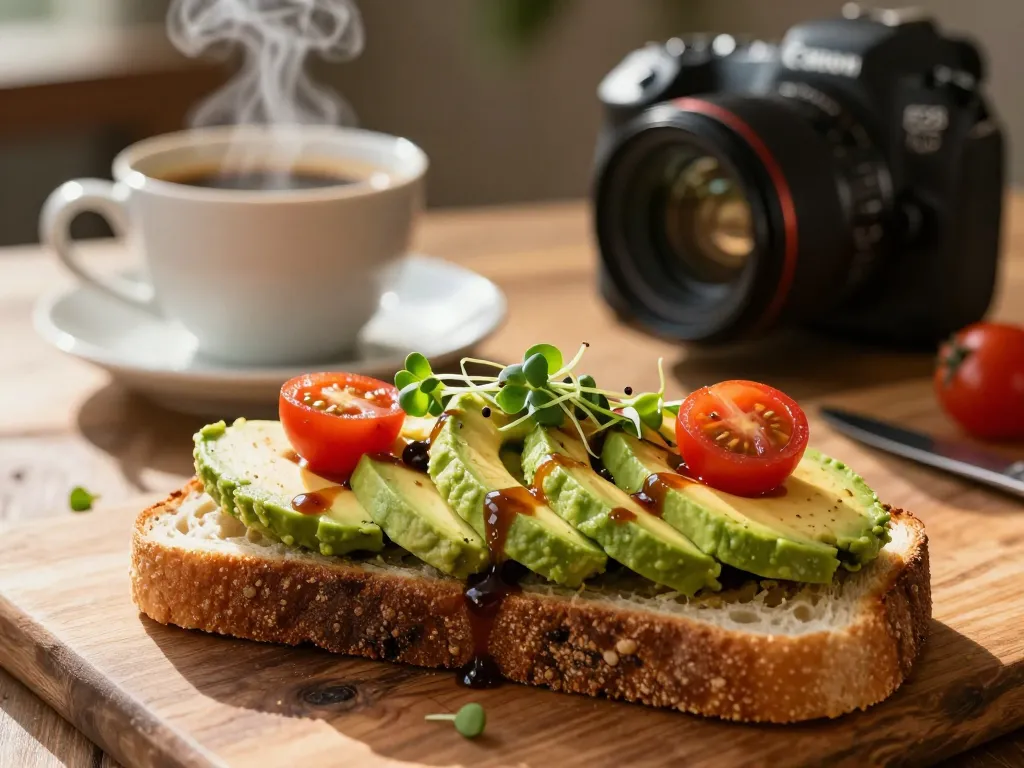
 Food and Drink
Delicious Recipes to Elevate Your Culinary Experience
Understanding Food and Drink Basics
The world of food and drink is vast and multifaceted, serving as a cornerstone of human culture, nutrition, and social interaction. Understanding the basics of food and drink is essential for appreciating their roles in our daily lives, health, and communities.
The Role of Food and Drink in Culture
Food and drink are not merely sustenance; they are cultural symbols, expressions of identity, and vehicles for social connection. Across various cultures, meals serve as a focal point for gatherings, celebrations, and rituals.
For instance, in many Mediterranean cultures, sharing meals is integral to socializing and family bonding. In Japan, the traditional tea ceremony emphasizes the art of preparation and presentation, reflecting values such as respect and mindfulness. These cultural practices illustrate how food and drink can convey complex ideas and emotions, serving as a language of their own.
Nutritional Value and Food Groups
Nutritional science categorizes food into several groups, each contributing essential nutrients required for maintaining health. These groups include:
- Fruits and Vegetables: Rich in vitamins, minerals, and antioxidants, they are crucial for preventing diseases.
- Proteins: Essential for muscle repair and growth, sources include meat, fish, eggs, dairy, legumes, and nuts.
- Grains: Whole grains provide energy and dietary fiber; they include foods like rice, bread, and pasta.
- Dairy: Important for calcium and vitamin D, dairy foods support bone health.
- Fats: Healthy fats from sources like avocados, olive oil, and nuts are vital for brain function and hormone production.
Understanding these food groups allows individuals to create balanced meals that meet their nutritional needs, ultimately promoting better health and wellness.
Types of Beverages and Their Purposes
The array of beverages available today can be categorized based on their ingredients, preparation methods, and intended effects. Common categories include:
- Water: The most essential beverage, vital for hydration and bodily function.
- Juices and Smoothies: Often consumed for their vitamins and minerals, providing a convenient way to consume fruits and vegetables.
- Alcoholic Beverages: Includes beer, wine, and spirits, often enjoyed socially but should be consumed in moderation due to health risks.
- Caffeinated Drinks: Coffee and tea are popular for their stimulating effects, while herbal teas are often consumed for their calming properties.
- Non-Alcoholic Alternatives: The rise of mocktails and non-alcoholic beers caters to those seeking flavorful options without alcohol.
Each beverage serves distinct purposes, whether for hydration, enjoyment, or social interaction, and choosing the right drink can enhance any meal or occasion.
Cooking Techniques and Methods
Cooking is both an art and a science, and mastering various techniques can elevate the quality of your meals. Understanding different cooking methods can also help you adapt recipes to suit your preferences and dietary needs.
Fundamental Cooking Methods: Boiling, Baking, and Grilling
These foundational cooking techniques form the basis of many culinary practices:
- Boiling: This method involves cooking food in water or broth at high temperatures. It’s commonly used for pasta, vegetables, and eggs. To ensure optimal taste and texture, avoid overcooking and aim for a rapid boil.
- Baking: A dry heat cooking method that surrounds food with hot air in an oven. It’s ideal for bread, pastries, and casseroles. Precise temperature control is essential for successful baking, as even slight variations can impact results.
- Grilling: This technique involves cooking food over direct heat, imparting a smoky flavor. It’s popular for meats and vegetables. Using marinades can enhance flavor and tenderness, while proper grill maintenance ensures even cooking.
Each method has its unique advantages, and understanding when to use them can lead to delicious outcomes while preserving nutritional value.
Advanced Techniques: Sous Vide and Molecular Gastronomy
As culinary arts evolve, advanced techniques like sous vide and molecular gastronomy have gained popularity among chefs and home cooks alike:
- Sous Vide: This technique involves vacuum-sealing food in a bag and cooking it in a water bath at a precise temperature. This method allows for unparalleled control over doneness and retains moisture and flavor.
- Molecular Gastronomy: This innovative approach combines food science and culinary art to create unique textures and flavors. Techniques include spherification, foam creation, and using liquid nitrogen for dramatic presentations.
While these techniques may require specialized equipment and knowledge, they can significantly enhance the dining experience, offering a blend of creativity and precision.
Food Safety Practices in Cooking
Ensuring food safety is paramount in any kitchen to prevent foodborne illnesses. Here are essential practices:
- Hygiene: Wash hands thoroughly with soap and water before handling food, and ensure that surfaces and utensils are clean.
- Temperature Control: Cook foods to the appropriate internal temperature and store leftovers promptly to inhibit bacterial growth. Use a food thermometer for accuracy.
- Cross-Contamination Prevention: Use separate cutting boards for raw meats and vegetables to avoid contamination. Store raw foods on lower shelves in the refrigerator.
- Proper Storage: Understand how to refrigerate and freeze foods correctly to maintain freshness and safety.
Implementing these practices not only protects health but also enhances the overall quality of meals prepared at home.
Exploring Global Cuisines
Exploring global cuisines offers insights into the diverse culinary traditions and practices around the world. Each cuisine reflects its region’s history, geography, and cultural influences.
Overview of Major World Cuisines
Some of the major world cuisines include:
- Italian: Known for its regional diversity, Italian cuisine emphasizes fresh ingredients, with staples like pasta, olive oil, and tomatoes.
- Indian: Characterized by its use of spices and diverse flavors, Indian cuisine varies significantly by region, featuring dishes like curry and biryani.
- Chinese: With a focus on balance and harmony, Chinese cuisine incorporates a wide range of ingredients and cooking techniques, from stir-frying to steaming.
- Mexican: Celebrated for its bold flavors and vibrant colors, Mexican cuisine includes staples such as corn, beans, and chili peppers.
- French: Renowned for its techniques and artistry, French cuisine includes classic dishes like coq au vin and bouillabaisse, showcasing rich flavors and presentation.
Each cuisine has its unique characteristics and traditions, often influenced by local ingredients and historical factors.
Signature Dishes and Ingredients from Various Regions
Signature dishes often embody the essence of their respective cuisines. Examples include:
- Ramen (Japan): A noodle soup that varies by region, with variations including tonkotsu and miso ramen.
- Paella (Spain): A saffron-infused rice dish traditionally made with seafood, chicken, and vegetables.
- Tacos (Mexico): Versatile and customizable, tacos can be filled with a variety of ingredients, reflecting regional preferences.
- Butter Chicken (India): A creamy tomato-based curry that has gained international popularity, showcasing the richness of Indian spices.
- Pizza (Italy): Originating from Naples, traditional pizza is characterized by its thin crust, fresh mozzarella, and simple toppings.
These dishes not only satisfy hunger but also tell stories of cultural heritage and regional practices.
The Influence of Geography and Climate on Cuisine
Geography and climate play significant roles in shaping a region’s cuisine. Factors such as available ingredients, climate conditions, and historical trade routes influence culinary traditions.
For example, Mediterranean cuisine benefits from a warm climate that supports the growth of olives, grapes, and citrus fruits. In contrast, colder climates often lead to heartier dishes made with preserved ingredients, such as root vegetables and cured meats. Coastal regions tend to feature seafood prominently, while landlocked areas may prioritize grains and livestock.
Understanding these influences can deepen appreciation for diverse cuisines and highlight the connection between food and environment.
Trends in Food and Drink
The food and drink landscape is constantly evolving, with new trends emerging that reflect changing consumer preferences and societal values. Staying informed about these trends can enhance culinary experiences and support informed choices.
Current Trends: Plant-Based and Sustainable Eating
As awareness of health and environmental issues grows, plant-based diets have gained traction. Many individuals are moving towards vegetarianism or veganism, driven by concerns about animal welfare, sustainability, and health benefits.
Recent studies indicate that plant-based diets can reduce the risk of chronic diseases, such as heart disease and diabetes, while also lowering one’s carbon footprint. Restaurants and food brands are responding by innovating with meat alternatives made from soy, peas, and other plants, allowing consumers to enjoy familiar flavors with a sustainable twist.
Emerging Beverage Trends: Craft Cocktails and Non-Alcoholic Options
The beverage industry is also witnessing exciting developments, particularly in craft cocktails and non-alcoholic options. Craft cocktails emphasize quality ingredients and unique flavors, often showcasing local spirits and artisanal mixers.
On the other hand, the rise of non-alcoholic beverages caters to health-conscious consumers or those who prefer to abstain from alcohol. Options such as non-alcoholic beers, mocktails, and infused waters provide flavorful alternatives without the effects of alcohol. This trend encourages inclusivity in social settings, allowing everyone to partake in the enjoyment of beverages.
Technology’s Impact on Food Production and Consumption
Advancements in technology are transforming the food industry, from production to consumption. Innovations such as vertical farming and hydroponics allow for efficient food production in urban areas, reducing transportation costs and environmental impact.
Moreover, technology enhances consumer convenience through apps for meal planning, grocery delivery, and recipe sharing. Data analytics enable companies to tailor products to consumer preferences, while blockchain technology ensures food traceability, enhancing safety and transparency.
As technology continues to evolve, it will likely create new opportunities for sustainability and efficiency in the food and drink sector.
Food and Drink Pairings
Pairing food and drink is an art that elevates the dining experience, enhancing flavors and creating harmony between dishes and beverages. Understanding the principles of pairing can transform ordinary meals into extraordinary culinary journeys.
Basic Pairing Principles: Flavor Profiles and Textures
Successful food and drink pairings rely on understanding flavor profiles and textures. Here are some basic principles:
- Complementary Flavors: Pair foods and drinks that have similar flavor profiles. For instance, a rich, fruity red wine can enhance the flavors of a hearty beef stew.
- Contrasting Flavors: Sometimes, contrasting flavors can create excitement. A sweet dessert wine can balance the bitterness of dark chocolate, creating a delightful experience.
- Texture Match: Consider the textures of both the food and the drink. Creamy dishes pair well with smooth beverages, while crispy foods can be complemented by effervescent drinks.
Experimentation is key; don’t hesitate to try new combinations to discover what works best for your palate.
Wine and Food Pairing: Classic Combinations and New Discoveries
Wine pairing is a classic aspect of culinary arts, and certain combinations have become beloved standards:
- Chardonnay with Lobster: The buttery texture of lobster complements the smoothness of a rich Chardonnay.
- Pinot Noir with Duck: The earthy notes of Pinot Noir pair beautifully with the richness of duck, creating a balanced dish.
- Sauvignon Blanc with Goat Cheese: The acidity of Sauvignon Blanc cuts through the creaminess of goat cheese, enhancing both flavors.
However, innovative pairings are also emerging. Exploring local wines with regional dishes can yield delightful surprises, encouraging diners to think outside traditional boundaries.
Creating Unique Pairing Experiences: Innovative Ideas
To create memorable dining experiences, consider these innovative pairing ideas:
- Food Flights: Similar to wine tasting, offer small portions of different food items paired with various drinks to highlight diverse flavors.
- Seasonal Pairings: Tailor pairings to seasonal ingredients, enhancing freshness and taste. For example, pair summer salads with light, crisp wines.
- Thematic Dinners: Host dinners centered around a theme, such as regional cuisine or historical periods, to explore unique pairings that tell a story.
Engaging with food and drink pairings can elevate the dining experience, turning meals into celebratory occasions filled with exploration and enjoyment.
