
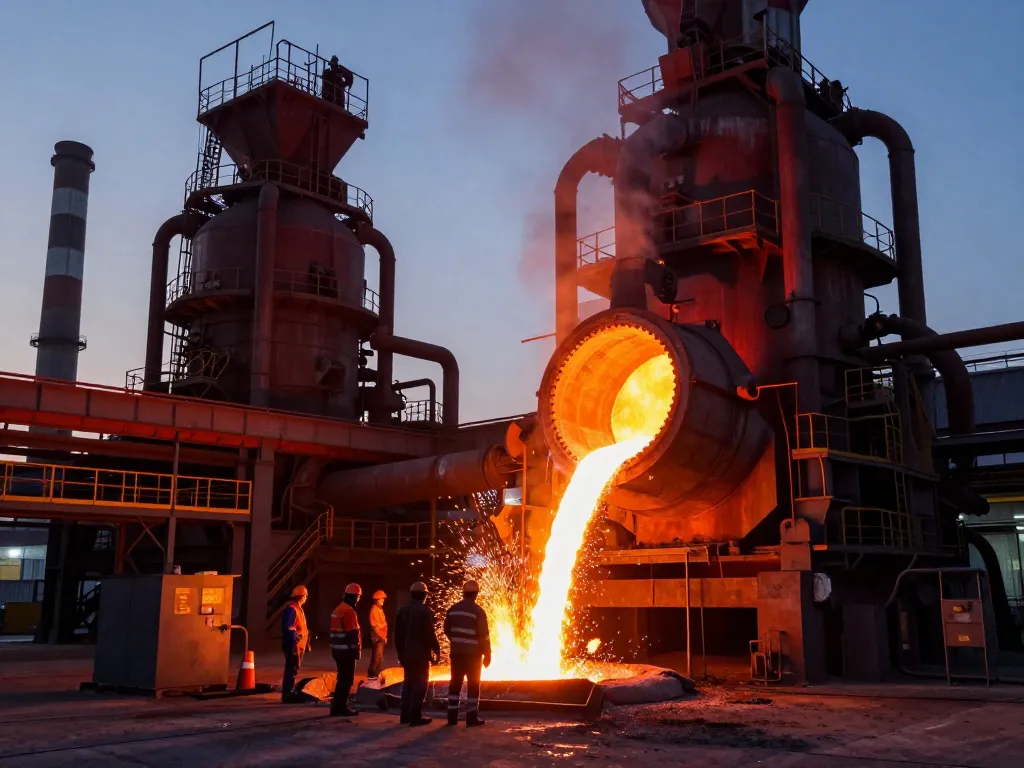
Fundamentals of Heavy Industry and Engineering
Heavy industry and engineering encompass a vast sector involved in the manufacture and assembly of large, complex structures and equipment. This sector is characterized by its reliance on substantial capital investments, extensive resources, and skilled labor. Understanding the fundamentals of heavy industry is essential for professionals engaged in engineering and manufacturing, as it forms the backbone of modern infrastructure and technology.
Definition and Scope of Heavy Industry
Heavy industry refers to the sector of manufacturing that deals with large-scale production processes and heavy machinery. It includes various industries such as steel manufacturing, shipbuilding, mining, construction, and energy production. The scope of heavy industry is broad, focusing on the production of large and heavy products that require significant transport, storage, and handling.
Typically, heavy industries are distinguished from light industries by the scale of production and the amount of raw materials consumed. According to the U.S. Bureau of Economic Analysis, heavy industry accounts for approximately 25% of the manufacturing GDP, which reflects its critical role in the economy.
- Examples of heavy industry sectors include:
- Metallurgy
- Chemical processing
- Transportation and logistics
- Construction engineering
Key Components and Processes in Heavy Engineering
Heavy engineering involves several key components and processes that are integral to its operations. These include:
- Design and Planning: This initial phase involves creating detailed blueprints and planning the logistics of material procurement and assembly.
- Production and Assembly: Heavy industry relies on advanced manufacturing processes, including casting, forging, welding, and machining.
- Quality Control: Ensuring that products meet specific regulations and standards is crucial. This includes rigorous testing and inspection protocols.
- Maintenance: Regular maintenance of machinery and equipment is essential for ensuring operational efficiency and safety.
For instance, in the shipbuilding industry, the processes can take years from initial design to final delivery. Each phase requires collaboration between engineers, architects, and skilled laborers to ensure that the final product meets the technical and safety standards required for maritime operations.
Historical Evolution and Its Impact on Modern Engineering
The evolution of heavy industry has significantly shaped modern engineering practices. The Industrial Revolution marked a pivotal moment, where the introduction of steam power and mechanization transformed traditional manufacturing methods. This transition allowed for mass production, leading to economies of scale that are still relevant today.
In the 20th century, the development of computer-aided design (CAD) and advancements in materials science revolutionized heavy engineering. For example, the introduction of high-strength steel and composite materials has enabled the construction of lighter, more durable structures. With these innovations, heavy industry has become more efficient and capable of producing complex designs that were previously unattainable.
Furthermore, the globalization of supply chains has led to increased interdependence among countries in heavy industry. This interconnectedness has fostered collaboration and knowledge exchange, enhancing technological advancements across the globe.
Core Technologies in Heavy Industry
Core technologies form the backbone of heavy industry, playing a crucial role in enhancing productivity, efficiency, and safety. Understanding these technologies is essential for professionals in the field, as they influence the overall performance of heavy engineering operations.
Machinery and Equipment Used in Heavy Engineering
Heavy engineering relies on a variety of specialized machinery and equipment to carry out complex manufacturing tasks. Some of the essential machinery includes:
- Cranes: Used for lifting and moving heavy materials on construction sites.
- Excavators: Vital for digging and moving earth during construction projects.
- Presses: Employed in manufacturing processes to shape and form materials.
- Welding machines: Essential for joining metal components in various applications.
For example, in the construction of skyscrapers, cranes are indispensable for lifting steel beams and other heavy materials to significant heights. The choice of equipment must consider factors like load capacity, precision, and environmental conditions.
Automation and Robotics in Heavy Manufacturing
Automation and robotics have transformed heavy manufacturing, enhancing productivity and reducing labor costs. The integration of automated systems allows for precision manufacturing and the ability to operate continuously without human intervention.
Robotic systems are increasingly used in welding, assembly, and material handling. For instance, automotive manufacturing plants utilize robotic arms to perform tasks such as welding and painting with high accuracy and speed. According to a report by the International Federation of Robotics, the global stock of industrial robots reached approximately 2.7 million units in 2020, underlining the importance of automation in heavy industry.
Moreover, Industry 4.0 has introduced smart factories where interconnected devices communicate to optimize production processes, leading to significant improvements in efficiency and output quality.
Material Science Innovations for Heavy Industries
The field of material science plays a critical role in heavy engineering, as the choice of materials directly impacts the performance, safety, and longevity of structures and machinery. Innovations in this field have led to the development of advanced materials with enhanced properties.
Some notable advancements include:
- High-Performance Alloys: These materials withstand extreme temperatures and corrosive environments, making them ideal for aerospace and energy applications.
- Composite Materials: Lightweight yet strong, composites are increasingly used in construction and automotive industries to reduce weight and improve fuel efficiency.
- Smart Materials: These materials can respond to environmental changes, such as temperature or pressure, allowing for more adaptive structures.
For example, the use of carbon fiber reinforced polymer (CFRP) in bridge construction has demonstrated significant improvements in weight reduction and longevity, showcasing the potential of innovative materials in heavy industry.
Regulatory Framework and Standards
The heavy industry sector operates under a complex regulatory framework designed to ensure safety, quality, and environmental sustainability. Understanding these regulations is vital for compliance and operational success.
International Standards and Compliance in Heavy Industry
International standards play a crucial role in facilitating trade and ensuring product safety and quality in heavy industry. Organizations such as the International Organization for Standardization (ISO) set globally recognized standards that industries must adhere to.
Common standards relevant to heavy engineering include:
- ISO 9001: Focuses on quality management systems.
- ISO 14001: Addresses environmental management practices.
- ISO 45001: Pertains to occupational health and safety management systems.
Compliance with these standards not only helps organizations avoid legal repercussions but also enhances their reputation and competitiveness in the global market.
Safety Regulations and Best Practices in Engineering
Safety is a paramount concern in heavy industry, where the risks associated with machinery and hazardous materials can lead to severe accidents if not properly managed. Regulatory bodies such as the Occupational Safety and Health Administration (OSHA) in the United States outline safety regulations that industries must follow.
Best practices in safety management include:
- Regular training and certification for employees on safety protocols.
- Implementation of safety management systems to identify and mitigate risks.
- Conducting routine safety audits and inspections to ensure compliance.
For example, the construction industry has adopted the practice of conducting daily safety briefings to reinforce safety protocols among workers, significantly reducing the incidence of workplace accidents.
Environmental Regulations and Sustainable Practices
As environmental concerns grow, heavy industry is under increasing pressure to adopt sustainable practices. Regulatory bodies enforce environmental laws that require industries to minimize their ecological footprint.
Key regulations include:
- Emission standards for air and water pollutants.
- Waste management regulations that dictate the proper disposal and recycling of industrial waste.
- Energy efficiency standards aimed at reducing consumption and promoting renewable energy.
Many heavy industries are implementing sustainable practices such as using alternative energy sources, optimizing resource use, and investing in cleaner technologies. For instance, several steel manufacturing plants have adopted carbon capture technologies to reduce greenhouse gas emissions, demonstrating a commitment to sustainability.
Trends and Challenges in Heavy Engineering
The heavy engineering sector is constantly evolving, influenced by technological advancements, market demands, and regulatory changes. Staying abreast of trends and challenges is crucial for industry professionals to remain competitive.
Impact of Industry 4.0 on Heavy Manufacturing
Industry 4.0 represents the fourth industrial revolution, characterized by the integration of digital technologies into manufacturing processes. This paradigm shift has profound implications for heavy engineering, enabling smarter, more efficient operations.
Key aspects of Industry 4.0 affecting heavy manufacturing include:
- IoT (Internet of Things): Connected devices collect and analyze data to optimize production processes and reduce downtime.
- Big Data Analytics: Analyzing large datasets helps identify trends and improve decision-making.
- Artificial Intelligence: AI applications enhance predictive maintenance and streamline operations.
For example, manufacturing companies that implement IoT solutions can monitor equipment performance in real-time, enabling proactive maintenance and minimizing disruptions in production.
Challenges of Supply Chain Management in Heavy Industry
Supply chain management poses significant challenges in heavy industry due to the complexity and scale of operations. Factors such as fluctuating raw material prices, geopolitical tensions, and natural disasters can disrupt supply chains and impact production schedules.
Effective supply chain management strategies include:
- Diversifying suppliers to mitigate risks associated with relying on a single source.
- Implementing just-in-time (JIT) inventory systems to reduce excess inventory and increase efficiency.
- Utilizing technology for real-time tracking and communication with suppliers.
For instance, the COVID-19 pandemic exposed vulnerabilities in global supply chains, prompting many companies to reassess their strategies and invest in more resilient supply chain models.
Future Trends: Sustainability and Green Engineering Solutions
As environmental awareness grows, the future of heavy engineering is increasingly focused on sustainability. This shift is driven by regulatory pressures, consumer preferences, and the need to address climate change.
Emerging trends in sustainability include:
- Investment in renewable energy sources such as solar, wind, and hydropower.
- Development of circular economy practices that emphasize recycling and reusing materials.
- Research into sustainable materials that reduce environmental impact.
For example, the construction industry is increasingly using recycled materials such as reclaimed wood and recycled steel, thereby reducing waste and conserving natural resources.
Practical Applications and Case Studies
Understanding the practical applications of heavy engineering is crucial for professionals looking to implement best practices and learn from real-world examples. Case studies provide valuable insights into successes and challenges faced by organizations in the industry.
Successful Implementations of Heavy Engineering Projects
Numerous case studies illustrate the successful implementation of heavy engineering projects. One notable example is the construction of the Burj Khalifa in Dubai, the tallest building in the world. The project exemplified advanced engineering techniques and material innovations.
Key factors that contributed to its success included:
- Utilization of high-strength concrete to support the structure's height.
- Collaborative efforts among international teams of architects and engineers.
- Innovative construction methods that minimized construction time while ensuring safety.
The Burj Khalifa stands as a testament to what modern heavy engineering can achieve when combining cutting-edge technology with skilled labor and meticulous planning.
Lessons Learned from Failures in Heavy Industry
While successful projects often dominate the conversation, learning from failures is equally important. The collapse of the Tacoma Narrows Bridge in 1940 serves as a poignant reminder of the consequences of inadequate engineering analysis.
Key lessons from this failure include:
- The necessity of thorough aerodynamic testing in the design phase.
- The importance of considering environmental factors such as wind dynamics in engineering designs.
- Collaboration between engineers and architects to ensure holistic approaches to design challenges.
Understanding these lessons can help prevent similar failures in future projects, emphasizing the importance of rigorous analysis and testing in heavy engineering.
Innovative Solutions and Best Practices in Real-World Scenarios
Innovative solutions and best practices have emerged in response to the challenges faced by heavy industry. One such innovation is the adoption of modular construction techniques, which allow for prefabrication of building components off-site.
Benefits of modular construction include:
- Reduced construction time as components are built simultaneously with site preparation.
- Improved quality control due to factory-controlled environments.
- Less waste generated during the construction process.
For example, the construction of the Mjøstårnet in Norway, the world's tallest wooden building, utilized modular construction techniques that significantly expedited the building process while ensuring structural integrity and sustainability.