
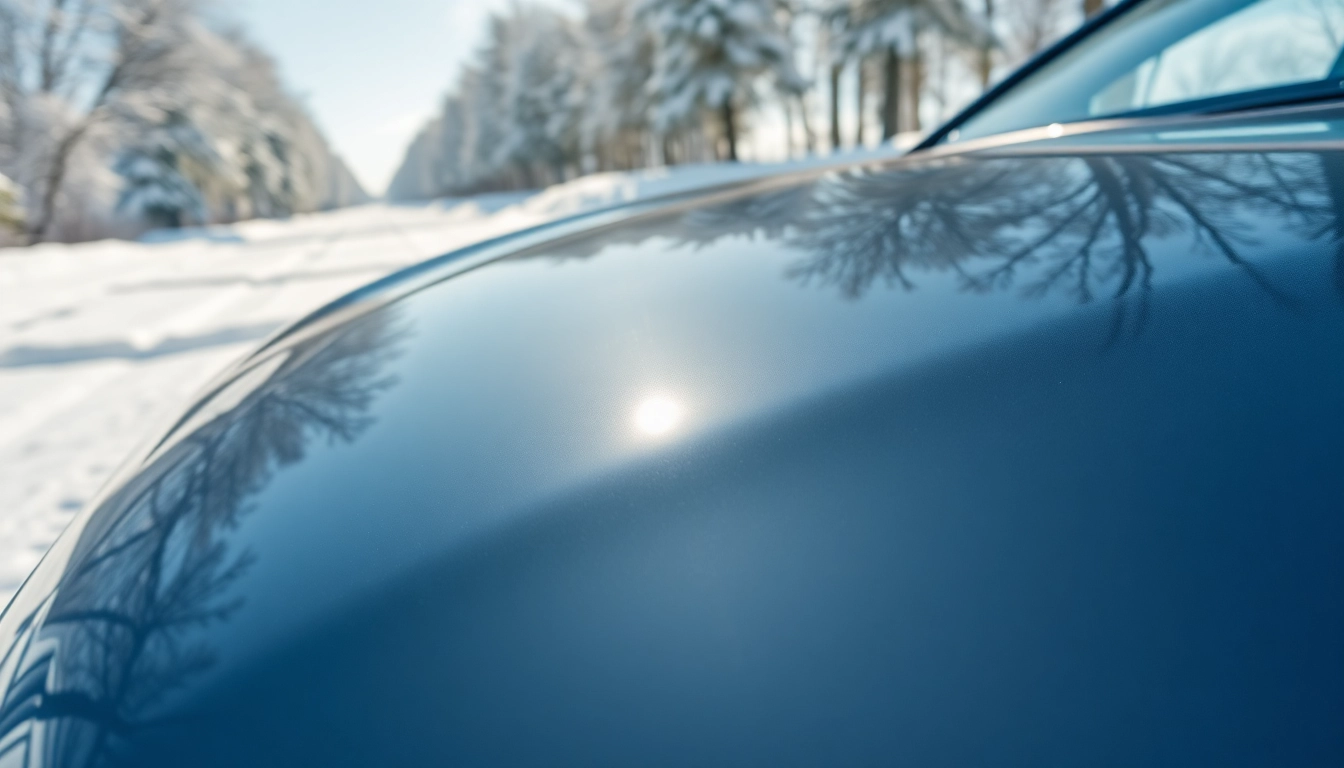
Understanding PPF Winter Road Salt Protection
What is PPF and How Does It Work?
Paint Protection Film (PPF) is a clear, durable thermoplastic urethane film that is applied to a vehicle's exterior surfaces to protect from damage, scratches, and other wear factors. The inherent properties of PPF, particularly its self-healing capability, allow it to absorb small impacts and scuffs while maintaining a clear finish. When applied properly, PPF sits on the vehicle's surface, offering a blend of flexibility and toughness that is essential for withstanding harsh conditions, particularly in the winter months when road salt is prevalent.
Importance of Road Salt Protection for Vehicles
During winter, road salt is frequently used to melt ice and improve vehicle traction. However, while road salt is effective for these purposes, it can also cause substantial harm to vehicles. The corrosive nature of salt leads to rust formation, particularly on metal surfaces, which can compromise a vehicle's structural integrity over time. Additionally, road salt can cause paint damage and accelerate the wear of components, leading to costly repairs and reduced vehicle value. Therefore, implementing PPF winter road salt protection is crucial for maintaining the aesthetic and functional integrity of a vehicle.
Benefits of Using PPF in Winter
PPF serves as a robust barrier against the damaging effects of road salt. The primary benefits include:
- Corrosion Resistance: PPF prevents direct contact between the vehicle's paint and corrosive substances, significantly reducing the risk of rust.
- Self-Healing Properties: Minor scratches and abrasions on the PPF can heal themselves with mild heat, ensuring the vehicle maintains a pristine appearance.
- UV Protection: PPF blocks harmful UV rays, preventing paint fading and degradation caused by prolonged exposure to sunlight.
- Ease of Maintenance: PPF-coated vehicles are easier to wash and maintain, as the film repels dirt and grime, ensuring a cleaner exterior.
Choosing the Right PPF for Winter Protection
Factors to Consider When Selecting PPF
When selecting PPF for winter protection, several critical factors should guide your decision-making process:
- Thickness: Thicker films typically offer more robust protection against physical impacts and scratching, making them more suitable for protecting against road salt.
- Adhesive Quality: The adhesive used in the PPF should be strong enough to withstand the harsh winter conditions but also allow for easy removal without damaging the vehicle’s paint.
- Clarity: Ensuring the film is clear without compromising the vehicle's appearance is essential. High-quality PPF should almost be invisible when applied correctly.
- Warranty: Product warranties can provide insight into the film's longevity and manufacturer confidence, typically ranging from 5 to 10 years.
Top Features to Look for in PPF
Choosing the right PPF is not just about selecting any film but ensuring it has specific features that enhance its protective qualities. Look for:
- Self-Healing Technology: This allows superficial scratches to disappear over time, maintaining the film's clarity.
- Hydrophobic Properties: This feature helps repel water, dirt, and contaminants, making maintenance easier during winter.
- Resistance to Yellowing: High-quality PPF should resist discoloration over time, especially from UV exposure.
- Flexibility: A flexible film can conform better to the vehicle's contours, providing more comprehensive coverage and protection.
Common Mistakes to Avoid
When choosing and applying PPF for winter protection, it's vital to avoid common pitfalls:
- Neglecting Professional Installation: While DIY kits are available, improper installation can lead to air bubbles and poor adhesion, negating the protective benefits.
- Choosing Low-Quality Film: Opting for cheaper, low-quality films can lead to peeling, yellowing, and inadequate protection.
- Ignoring Vehicle Preparation: Proper preparation of the vehicle's surface is crucial for long-lasting adherence of the PPF.
- Overlooking Regular Maintenance: Even PPF needs care; not maintaining it can reduce its effectiveness over time.
Installation Process for PPF Winter Road Salt Protection
Preparing Your Vehicle for PPF Application
Proper vehicle preparation is essential for ensuring the PPF adheres correctly and performs well throughout the winter. Follow these steps:
- Clean the Surface: Thoroughly wash the vehicle to remove dirt, wax, and contaminants. Using a clay bar can help smooth the surface for optimal adhesion.
- Inspect for Damage: Check for any chips, scratches, or rust that may require repairs before applying the PPF.
- Environment Control: Ideally, perform the installation in a dust-free environment at recommended temperatures to prevent debris from getting trapped under the film.
Step-by-Step Guide to Proper Installation
Installing PPF can be a meticulous process, but following these steps can help ensure accuracy:
- Cut the PPF to the desired size and shape for the vehicle’s panels.
- Spray a soapy water solution on the film's adhesive side to allow repositioning.
- Align the film with the vehicle surface and gently lay it down, ensuring no air bubbles form.
- Use a squeegee to push out air and water from under the film, working from the center outward.
- Seal the edges and let the PPF cure according to the manufacturer's instructions.
Post-Installation Care and Maintenance
After installation, proper care is crucial to extending the lifespan of your PPF. Consider these tips:
- Avoid Washing: Refrain from washing the vehicle for at least a week to allow the adhesive to cure fully.
- Use Gentle Cleaning Products: Mild soaps are recommended; avoid strong chemicals that can degrade the film.
- Inspect Regularly: Check for any edges lifting or signs of damage, particularly as winter progresses.
Effective Strategies for Enhanced Protection
Combining PPF with Other Protective Measures
While PPF provides excellent protection against road salt and winter conditions, combining it with other protective measures can enhance effectiveness:
- Waxing: Applying a regular wax layer on top of PPF can provide additional protection and increase shine.
- Sealants: Paint sealants can further enhance the hydrophobic properties of the film and add another layer of defense against the elements.
- Winter Tire Maintenance: Ensure your vehicle has suitable winter tires to reduce sliding and stress on the body.
Seasonal Care Tips to Preserve PPF
To maximize the lifespan of your PPF throughout the winter, consider these seasonal care strategies:
- Regular Cleaning: Remove any road salt and grime buildup promptly using appropriate cleaners to prevent long-term damage.
- Watch for Scratches: Address any noticeable scratches immediately to prevent them from becoming deeper and more difficult to repair.
- Limit Harsh Treatments: Activities such as automated car washes should be avoided to reduce the risk of damaging the PPF.
When to Replace Your PPF?
Understanding when to replace your PPF is crucial for ongoing protection. Signs include:
- Discoloration or yellowing of the film.
- Extreme peeling or lifting edges.
- Visible scratches that impact the film's integrity.
- Increased difficulty in cleaning or maintaining the surface appearance.
Measuring the Effectiveness of PPF Winter Road Salt Protection
Using Visual Checks for Damage Assessment
Regular visual inspections are vital to assessing the condition of the PPF:
- Look for any bubbling, lifting, or peeling edges, as these can expose the vehicle to the elements.
- Inspect for scratches, especially in areas prone to road debris impact, to ensure the film remains intact.
- Check the clarity of the film; haziness or yellowing may indicate wear that needs attention.
Understanding Longevity and Warranty Conditions
Most PPFs come with warranties, typically lasting between 5 to 10 years, which can provide a safety net against defects or premature failure. Understanding these warranty conditions is essential:
- Warranties often cover issues like discoloration and adhesion failures but may not cover damage caused by accidents or neglect.
- Keeping up with maintenance and following the manufacturer's guidelines can help ensure that the warranty remains valid.
- Always register your product if required and retain proof of purchase for warranty claims.
Gathering Feedback from Other Users
Connecting with other PPF users can offer invaluable insights into the product's performance, durability, and long-term effectiveness. Consider:
- Join forums or community groups dedicated to vehicle care for firsthand accounts of different brands of PPF.
- Seek testimonials from trusted service providers to gauge overall satisfaction with specific PPF products and brands.
- Pay attention to common issues reported by other users, which can help guide your selection and installation process.
FAQs About PPF Winter Road Salt Protection
What is PPF made from?
PPF is typically made from thermoplastic urethane, a flexible and durable material designed to withstand impacts and scratches, while providing a protective layer against environmental elements.
Can PPF be removed without damaging my paint?
Yes, when properly applied and removed following manufacturer instructions, PPF can be taken off without damaging the underlying paint, preserving the vehicle’s finish.
How long does PPF last?
The longevity of PPF depends on usage and care, but most quality films can last from 5 to 10 years under normal conditions, especially with regular maintenance.
Is PPF worth the investment?
Yes, investing in PPF can save considerable money in repairs and paint restoration for a vehicle, maintaining its aesthetic appeal and resale value over time.
Can I install PPF myself?
While DIY kits are available, professional installation is recommended to ensure proper application, avoid bubbles, and maximize the film's protective features.